
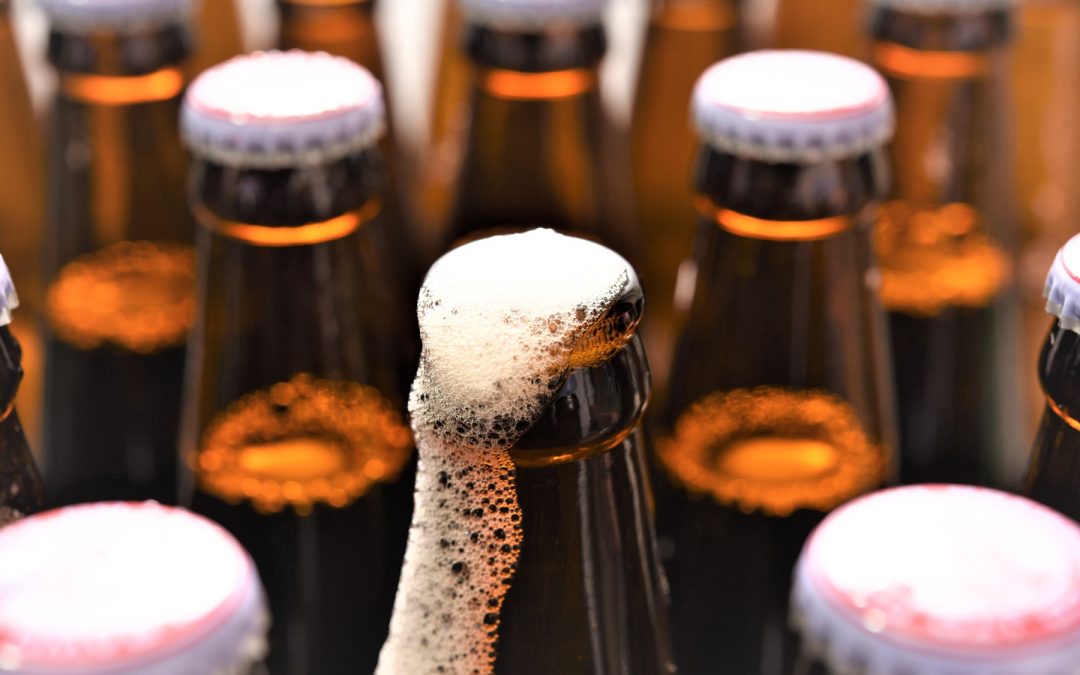
Every year, as St. Patricks Day approaches, beer demand surges across the country, putting pressure on beer logistics and shipping operations nationwide. Bars prepare for one of their busiest days of the year, distributers ramp up inventory, and shipments move on tight, unforgiving timelines. In 2025 alone, Americans were estimated to consume over 13 million pints of beer on St. Patricks Day. That number highlights just how much pressure is placed on the supply chain to deliver… and deliver on time.
To the customer, it feels effortless. You walk into a bar, place your order, and your drink is ready. What the average person doesn’t see is the level of coordination required behind the scenes to make that moment possible.
Why Shipping Beer Is Complex
Shipping beer requires specialized logistics far beyond standard freight. It’s a product that demands both careful handling and strict environmental control. Bottles and cans are fragile, often packed in high volumes, and must be transported in a way that prevents breakage while maintaining stability throughout the journey. At the same time, temperature plays a crucial role. Exposure to heat or inconsistent conditions can compromise quality, affecting taste, carbonation, and overall product integrity. That means many shipments require refrigerated freight and temperature-controlled shipping with constant monitoring from pickup to delivery.
Timing adds another layer of complexity. Beer shipments are often tied to specific events, promotions, and seasonal spikes like St. Patrick’s Day. If a load arrives late, it doesn’t just create a minor inconvenience, it can mean missed revenue, empty shelves, and lost opportunities during peak demand. There is very little margin for error, which takes planning, communication, and adaptability to anticipate challenges before they happen.
High-Value Freight and Cargo Theft Risks
But beyond fragility and timing, there’s another challenge that often goes overlooked: risk. Alcohol shipments are frequently high-value freight, making them a prime target in transit. In fact, cargo theft in the beverage industry is a growing concern, highlighted by high-profile cases like the theft of 24,000 bottles of Guy Fieri’s tequila reported by CBS News.
As Nick Jones, Senior Broker at Freeway International Logistics, explains:
“The biggest challenges when shipping alcohol would definitely be that most are super high value shipments, and to add insult to injury they are at a super high risk of theft as well as not all carriers being able to haul them.”
Not every carrier is equipped, or qualified, to handle alcohol shipping logistics. Between regulatory requirements, insurance standards, and the need for specialized equipment, moving beer and spirits requires a carefully vetted network and an experienced hand guiding the process.
And beer is just the beginning.
Why Experience Matters in Logistics
Many types of freight share similar challenges, requiring the same level of precision and expertise. High-value goods, time-sensitive shipments, temperature-controlled products, and expedited loads all demand careful coordination and a proactive approach. These are not shipments that can be left to chance, and they require a logistics partner who understands how to manage complexity without slowing things down.
At Freeway International Logistics, we approach every shipment with that mindset. Whether its refrigerated freight, last-minute deliveries, or specialized loads, our team focuses on keeping freight moving efficiently, safely, and on schedule. We understand that our customers are relying on more than just transportation, they’re relying on consistency, communication, and execution.
Because in logistics, there’s no such thing as luck. Only preparation, experience, and the ability to deliver when it matters most.